Iran-US Tensions Escalate sharply as India issues a safety advisory for nationals in the region. Key geopolitical risks, travel guidance, and global market impact explained.
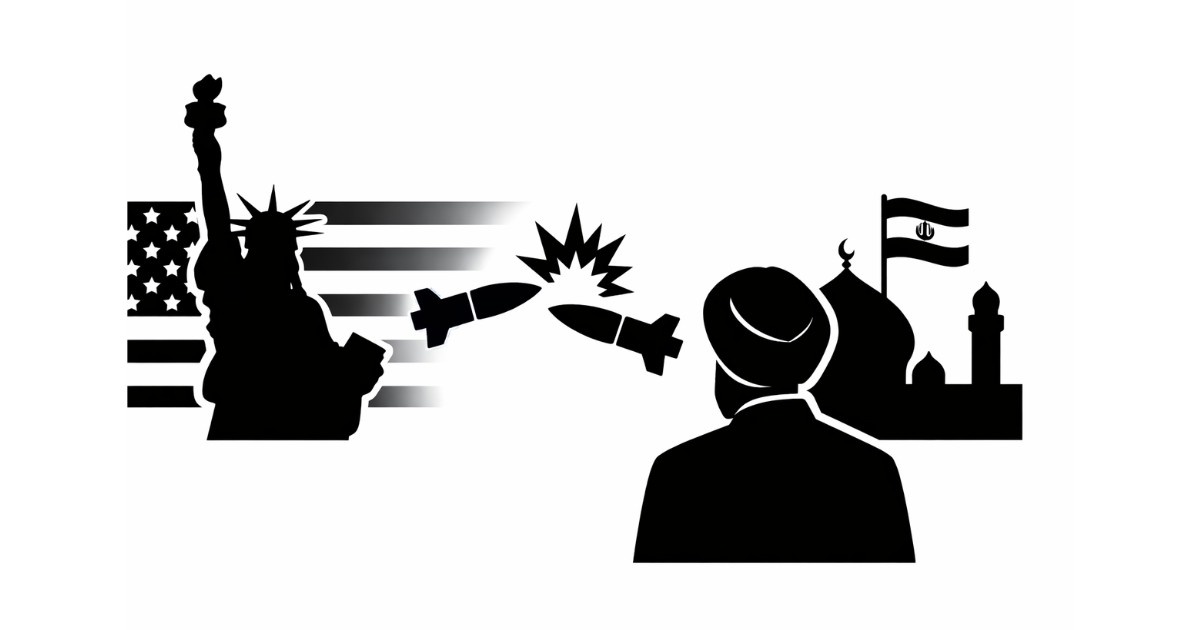
Iran-US Tensions Escalate rapidly this week after a fresh round of military and diplomatic confrontations raised global concern. As Iran-US Tensions Escalate, governments across the world are reassessing security protocols, and India has issued an urgent safety advisory for its citizens residing in or traveling to affected areas.
The Ministry of External Affairs urged Indian nationals to remain vigilant, avoid non-essential travel, and stay connected with official communication channels. The advisory comes amid fears that the situation could widen into a broader regional conflict.
Here are seven critical developments shaping the current crisis and what they mean for India and the world.
1. Military Posturing Intensifies in the Region
Iran-US Tensions Escalate following reported military movements in strategic locations across the Gulf. Naval deployments and air patrol operations have increased, raising concerns about miscalculation.
Defense analysts note that both sides are signaling strength without direct engagement. However, even limited skirmishes could disrupt shipping lanes and energy supplies.
India is closely monitoring developments due to its large diaspora presence in the Middle East and its energy trade dependence on the region.
2. India Issues Safety Advisory for Nationals
As Iran-US Tensions Escalate, India’s government issued a formal safety advisory. Citizens have been advised to avoid sensitive areas, limit outdoor movement in high-risk zones, and register with Indian embassies.
Indian missions in the region have activated emergency helplines. Authorities are also coordinating with local governments to ensure rapid response if evacuation becomes necessary.
The advisory emphasizes preparedness rather than panic. Officials clarified that there is no immediate evacuation order, but contingency plans are ready.
3. Global Energy Markets React Sharply
Whenever Iran-US Tensions Escalate, oil markets respond quickly. Crude prices climbed after reports of heightened naval activity near key maritime routes.
India, being a major oil importer, faces potential inflationary pressure if the crisis continues. Economists warn that prolonged instability could impact fuel prices and transportation costs.
Energy analysts say markets are pricing in risk rather than confirmed disruption. However, uncertainty remains high.
4. Diplomatic Channels Remain Open
Despite rising rhetoric, diplomatic backchannels are still active. International mediators have urged restraint.
Several countries have called for de-escalation talks to prevent further deterioration. The United Nations has also expressed concern over regional stability.
Observers believe that sustained diplomatic engagement could prevent direct confrontation. Still, the geopolitical atmosphere remains fragile.
5. Impact on Indian Diaspora
More than eight million Indians live and work across the Gulf region. As Iran-US Tensions Escalate, families in India are closely following updates.
The government has reassured citizens that embassies are prepared to provide assistance. Community organizations are also helping spread verified information.
Travel agencies report a temporary dip in bookings to affected regions. Airlines are reviewing flight paths to avoid potential risk zones.
6. Strategic and Economic Implications for India
Iran-US Tensions Escalate at a time when India is expanding its trade and infrastructure partnerships in West Asia. Any prolonged instability could delay shipping schedules and logistics operations.
India’s strategic investments in port development and connectivity projects could face indirect impact if maritime routes are disrupted.
Policy experts suggest that India will likely maintain a balanced diplomatic approach. Historically, India has engaged constructively with both Iran and the United States.
7. Global Security Concerns Rise
As Iran-US Tensions Escalate, global security agencies are increasing surveillance and monitoring.
Cybersecurity risks are also under focus. Analysts warn that cyber operations often accompany geopolitical disputes.
Stock markets worldwide showed cautious movement. Investors are shifting toward safer assets amid uncertainty.
What Triggered the Current Flashpoint?
The latest escalation reportedly followed a series of retaliatory statements and defense maneuvers. While neither side has declared open conflict, signals from both capitals suggest deepening mistrust.
Regional allies are watching closely. Neighboring countries fear spillover effects that could destabilize trade routes and energy infrastructure.
Experts note that such tensions often move in cycles. The challenge lies in preventing tactical incidents from escalating into strategic conflict.
Travel Advisory Details for Indian Citizens
The advisory issued as Iran-US Tensions Escalate outlines clear guidelines:
- Avoid non-essential travel to high-risk zones
- Stay updated through embassy notifications
- Maintain valid travel documents
- Keep emergency contact numbers accessible
- Follow instructions from local authorities
Indian students and workers have been asked to inform families about their safety and remain connected through official channels.
Authorities stressed that misinformation can spread quickly during geopolitical crises. Citizens are advised to rely only on verified government sources.
Aviation and Shipping Monitoring
Airlines are adjusting routes where necessary. International aviation bodies are reviewing airspace advisories.
Shipping companies are evaluating risk exposure in key maritime corridors. Insurance premiums for cargo vessels may rise if tensions persist.
India’s commerce ministry is tracking export-import flows to ensure minimal disruption.
Market Volatility and Investor Sentiment
Financial markets typically respond to geopolitical risk with volatility. As Iran-US Tensions Escalate, equity indices experienced cautious trading sessions.
Safe-haven assets such as gold saw increased demand. Currency markets also reflected uncertainty.
Indian financial regulators are monitoring capital flows to prevent sudden outflows or instability.
Role of International Alliances
Alliances play a critical role in shaping geopolitical outcomes. Several global powers have urged calm dialogue.
Regional cooperation forums are holding emergency consultations. Multilateral diplomacy remains a key stabilizing force.
India continues to advocate peaceful resolution and adherence to international law.
Long-Term Regional Stability Questions
Repeated cycles of confrontation raise long-term stability concerns. Analysts argue that confidence-building measures are necessary to reduce recurring flare-ups.
Energy diversification is another strategic priority for importing nations. Reducing dependency on single corridors may lower vulnerability.
India has already been expanding renewable energy investments to cushion against external shocks.
Preparedness Measures Within India
Government agencies are conducting internal assessments of supply chain resilience. Emergency planning exercises are being reviewed.
Security agencies are enhancing monitoring to address any spillover risks.
Economic ministries are evaluating inflationary trends linked to energy prices.
Communication Strategy and Public Awareness
Transparent communication is crucial when Iran-US Tensions Escalate. The government’s advisory aims to prevent panic while ensuring preparedness.
Regular press briefings may follow if the situation evolves further.
Experts emphasize that measured responses are essential during volatile geopolitical moments.
Broader Global Implications
The Middle East remains central to global energy and trade networks. Escalation between major actors can influence global supply chains.
Emerging economies are particularly sensitive to oil price fluctuations.
Diplomatic efforts in the coming days will determine whether tensions stabilize or intensify.
Monitoring the Road Ahead
As Iran-US Tensions Escalate, global observers remain cautious. The next few weeks could prove decisive.
India’s advisory reflects a proactive approach focused on citizen safety and economic stability.
While immediate large-scale conflict appears unlikely, unpredictability remains high.
Governments, markets, and citizens worldwide are watching developments closely. De-escalation remains the preferred path, but preparedness defines the current moment.
The evolving situation highlights how interconnected today’s world has become. Regional tensions can quickly ripple across continents, affecting trade, energy, travel, and diplomacy.
For now, vigilance, diplomatic engagement, and strategic caution remain the guiding principles as Iran-US Tensions Escalate in an already fragile geopolitical landscape.
Also Read: Historic Breakthrough: India AI Impact Summit 2026 Ends with Powerful Tech and Policy Roadmap
Follow us on google news: Click Here